
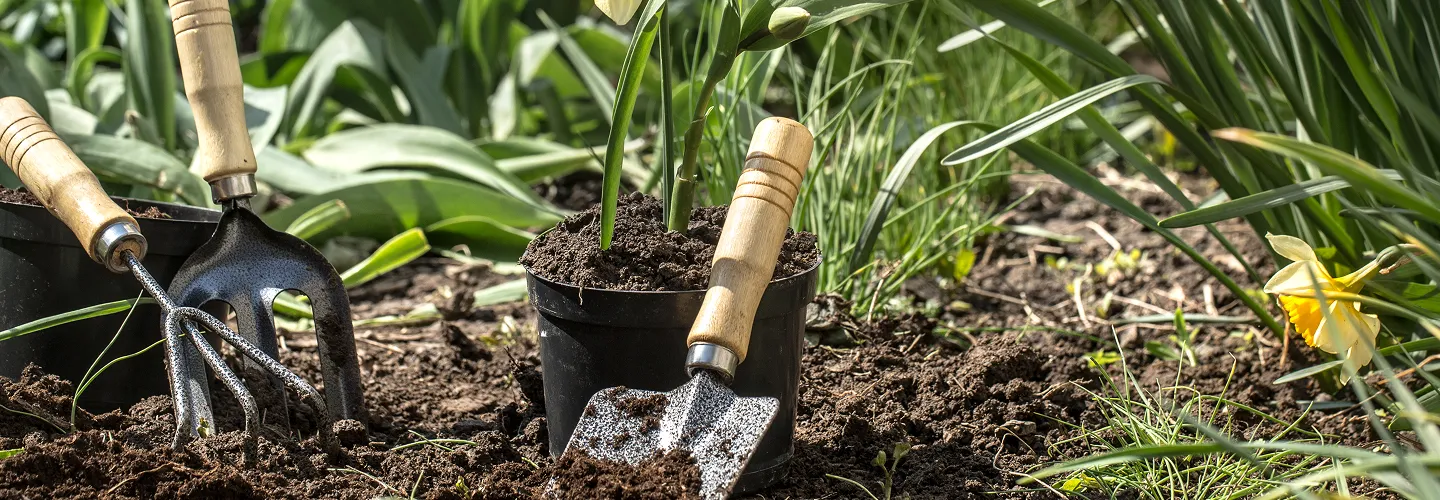
Meadows Place Fertilizing Lawn Services
Choose our expert fertilizing lawn services for lush, healthy grass that stands out in every season—our tailored treatments ensure your lawn receives the nutrients it needs for vibrant growth and long-lasting beauty.
Get a Free QuoteOur Meadows Place Landscaping & Yard Care Services
When to Schedule Fertilizing Lawn in Meadows Place, Texas – Seasonal Guide
In Meadows Place, Texas, timing your lawn fertilization is crucial for achieving a lush, healthy yard that thrives in our unique Gulf Coast climate. The best periods for fertilizing are typically early spring—after the last frost—and again in late fall, before the cooler temperatures set in. This schedule aligns with the active growth cycles of common turfgrasses found in neighborhoods like Sugar Grove and Quailridge, ensuring nutrients are available when your lawn needs them most.
Local environmental factors play a significant role in determining the optimal fertilization window. Meadows Place experiences high humidity and occasional droughts, especially during the summer months. Soil types can vary from sandy loam to heavier clay, impacting how nutrients are absorbed. Areas with dense shade from mature oaks or pecans, such as those near Mark McGrath Municipal Park, may require a different approach than sun-drenched lawns. It's also important to stay informed about any municipal guidelines or seasonal restrictions, which can be found on the city's official website.
Local Factors to Consider for Fertilizing Lawn in Meadows Place
- Tree density and shade coverage
- Soil composition (sandy, loamy, or clay)
- Average precipitation and drought risk
- Proximity to local parks or water features
- Municipal restrictions on fertilizer use
- Terrain and drainage patterns
- Timing of last frost and onset of summer heat
Benefits of Fertilizing Lawn in Meadows Place
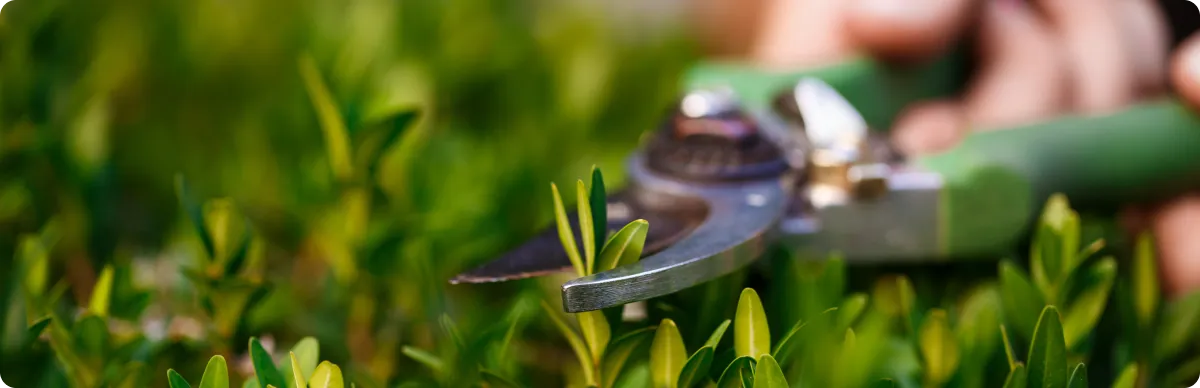
Healthier, Greener Lawns
Improved Weed Resistance
Enhanced Soil Nutrients
Stronger Root Development
Increased Lawn Longevity
Professional Local Expertise
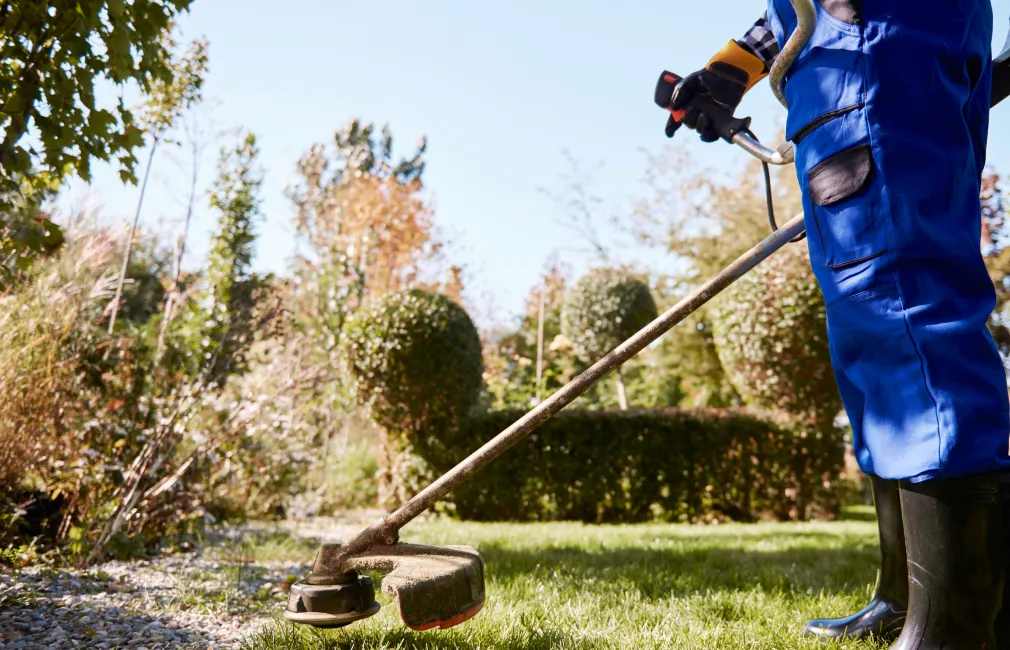
Meadows Place Fertilizing Lawn Types

Warm-Season Grass Fertilization
-
Cool-Season Grass Fertilization
-
Organic Lawn Fertilization
-
Synthetic Fertilizer Application
-
Slow-Release Fertilizer Programs
-
Seasonal Fertilization Schedules
-
Customized Soil Amendment
Our Fertilizing Lawn Process
Soil Analysis
Fertilizer Selection
Application Scheduling
Even Fertilizer Distribution
Post-Application Inspection
Why Choose Meadows Place Landscape Services
-
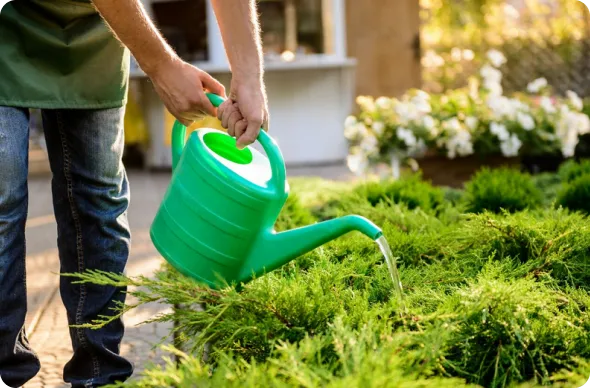
Meadows Place Homeowners Trust Us
-
Expert Lawn Maintenance
-
Reliable Scheduling
-
Competitive Pricing
-
Professional Team
-
Satisfaction Guarantee
-
Personalized Service
Soil Series and Drainage Considerations for Fertilizing Lawns in Meadows Place
Meadows Place lawns are predominantly established on soils such as the Lake Charles clay and Bernard-Edna complex, as identified by the USDA Web Soil Survey. These soils are characterized by high clay content, slow permeability, and a tendency toward poor drainage, especially after heavy rainfall. The typical pH range is 7.0-8.0, which can affect nutrient availability and fertilizer selection. For optimal results, soil testing is recommended every 2-3 years, with samples analyzed for pH, organic matter, and nutrient levels. Amendments such as sulfur may be necessary if pH exceeds 7.5. Incorporate compost at a rate of 2-3 inches tilled to a 6-inch depth to improve structure and drainage. Residents can access soil testing services and guidance through the Texas A&M AgriLife Extension.
Meadows Place Public Works Department
One Troyan Drive, Meadows Place, TX 77477
Phone: (281) 983-2932
Official Website: Meadows Place Public Works Department
Seasonal Fertilizer Application Timing Based on Meadows Place’s Climate Zone
Meadows Place is located in USDA Hardiness Zone 9a, with a long growing season and average annual minimum temperatures of 20-25°F. The optimal windows for fertilizing cool-season grasses are early May (soil temperature 55°F) and late September, while warm-season grasses such as St. Augustine and Bermuda benefit from applications in late March and again in June. Avoid fertilizing during peak summer (July-August) to reduce the risk of nutrient runoff and heat stress. Key timing guidelines include:
- Spring fertilization: March 20 - May 10
- Summer fertilization: June 1 - June 30 (warm-season only)
- Fall fertilization: September 15 - October 31 Monitor local weather forecasts via the National Weather Service Houston/Galveston Office to avoid applying fertilizer before heavy rain events, which can increase runoff risk.
Municipal Ordinances and Fertilizer Use Regulations in Meadows Place
Fertilizer application in Meadows Place is subject to city ordinances designed to protect water quality and public health. Residents and contractors must comply with the following requirements:
- No fertilizer application within 50 feet of open water bodies or storm drains
- Prohibited hours for powered equipment: Sunday and holidays; permitted Monday-Friday 7:00 AM - 7:00 PM, Saturday 8:00 AM - 6:00 PM
- Use of slow-release nitrogen products is encouraged to minimize leaching
- Grass clippings and fertilizer spills must be swept from hard surfaces to prevent stormwater contamination Violations may result in fines or enforcement actions by the city’s code enforcement division. For detailed ordinance language and compliance assistance:
Meadows Place Code Enforcement Department
One Troyan Drive, Meadows Place, TX 77477
Phone: (281) 983-2932
Official Website: Meadows Place Code Enforcement Department
Environmental Compliance: State and Federal Fertilizer Regulations Affecting Meadows Place
Fertilizer use in Meadows Place must align with both state and federal environmental regulations. The Texas Water Code and Clean Water Act prohibit nutrient runoff into stormwater systems and local waterways. The city operates under a Municipal Separate Storm Sewer System (MS4) permit, which mandates:
- 25-foot no-disturbance buffer from wetlands and drainage ditches
- Prohibition of fertilizer and yard waste in storm drains
- Annual reporting of fertilizer application practices for commercial operators The Texas Commission on Environmental Quality (TCEQ) oversees state compliance, while EPA Region 6 provides federal oversight. Residents are encouraged to review the Texas Water Code for full legal requirements.
Professional Standards and Safety Protocols for Lawn Fertilization in Meadows Place
All fertilizer applications in Meadows Place should adhere to professional safety and equipment standards. Operators must use:
- Eye protection: ANSI Z87.1 safety glasses
- Hearing protection: Earmuffs or plugs for equipment exceeding 85 dB
- Gloves: Chemical-resistant for handling fertilizers
- Footwear: Non-slip, closed-toe shoes Equipment must be calibrated to deliver 2-3 lbs nitrogen per 1,000 sq ft annually, with spreaders checked for even distribution. Maintain a 15-foot buffer from property lines and public sidewalks during application. Commercial operators are required to maintain records of application rates and timing for city inspection. For further guidance on safety and best practices:
Meadows Place Permits Department
One Troyan Drive, Meadows Place, TX 77477
Phone: (281) 983-2932
Official Website: Meadows Place Permits Department
What Neighborhoods Do We Serve Throughout Meadows Place, TX?
- Meadows Place North: Features mature trees and established lawns on Lake Charles clay, requiring careful drainage management and slow-release fertilizers to prevent runoff.
- Meadows Place South: Newer developments with compacted soils and smaller lots, where soil aeration and compost incorporation are recommended before fertilization.
- Meadows Place East: Proximity to city parks and drainage channels necessitates strict adherence to buffer zones and stormwater protection measures.
- Meadows Place West: Larger lots with mixed sun and shade conditions, requiring tailored fertilizer schedules and species selection for optimal turf health.
- Meadows Place Central: Dense residential area with frequent foot traffic and potential for soil compaction, making soil testing and amendment especially important.
- Sugar Grove: Bordering conservation areas, this neighborhood must observe enhanced environmental compliance, including extended buffer zones and reduced fertilizer rates.
- Dulles Corridor: High-traffic area with commercial and residential mix, where coordination with city collection schedules for yard waste and clippings is essential.